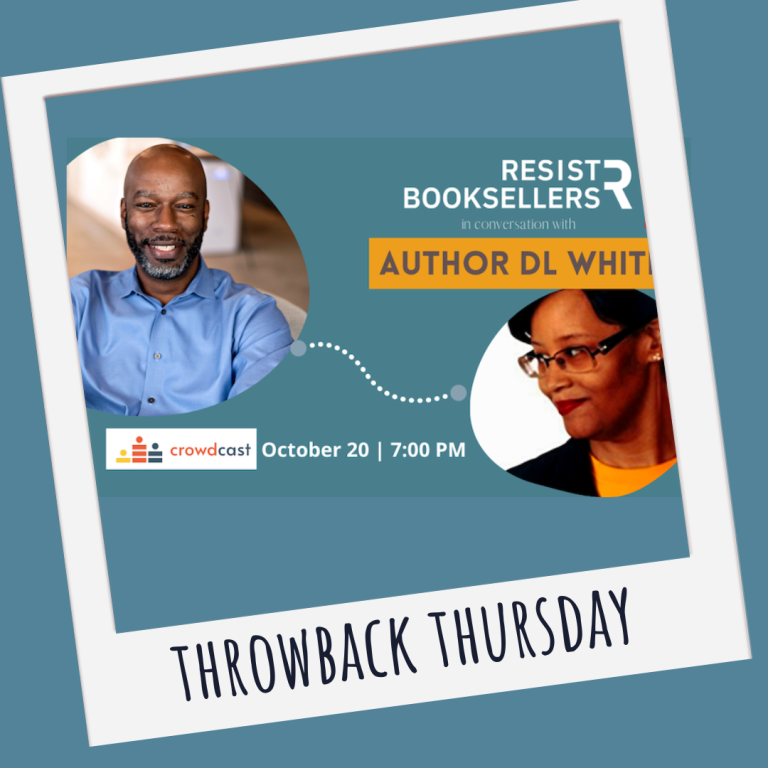
I’m FEATURED! Check out my Q&A at Writer Unboxed!
Thanks to Grace Wynter for this spotlight! I got to talk about my fave subjects, books, writing and ME.
Author Up Close: D.L. White—On Readership, Community, and Opting Out of the Amazon Algorithm
GW: One of my favorite parts of this series is learning about an author’s origin story: the thing that propelled you from someone who only thought about writing to someone who actually wrote and has a book or books out. What’s your author origin story?
DW: I’ve always been a writer. As a child, I wrote stories to amuse myself. My teachers and parents noticed this talent, and since I enjoyed it, I continued writing. During college, academic writing replaced reading for pleasure, though I occasionally found time for books. After graduation, my long commute gave me time to rediscover reading.
Then I found fanfiction. I started writing *NSYNC fanfiction in 2008 and fell in love with this marriage of fandom and high-quality writing. The authors I followed on LiveJournal would blow traditionally published writers out of the water. Their characterization, settings, original characters, bringing people in… top notch. Fanfiction is where I learned to write, where I gained an audience, learned how to accept praise and measure criticism.
In 2011, I joined a brunch group of ladies from all walks of life. I loved how we had this sisterhood—we always came together to support (or chastise) each other. During this time, I listened to NPR on my way to work where the Atlanta School District cheating scandal topped every broadcast. This huge, ongoing scandal got my brain going. What if a character in an influential position made a huge mistake and tried to keep it secret, but the secret was discovered? What if we watch the secret ripple out among her family, friends, job, bosses? My debut novel was born. It took 4 years to write and hit the book streets in March 2015.
It’s been gangbusters ever since!
My motto is always: The time is gonna pass anyway. Have something to look back on.
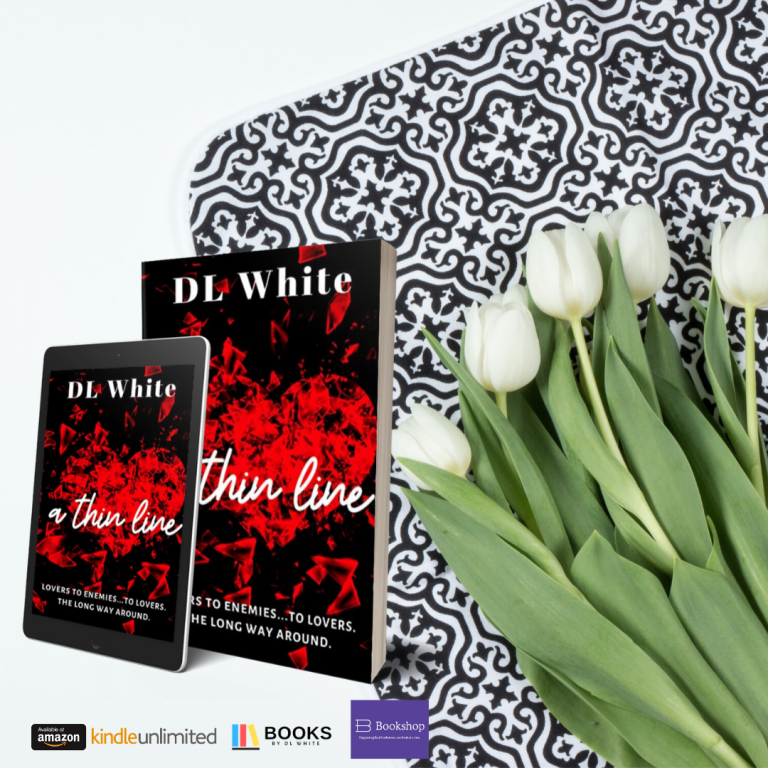
GW: Another thing that impressed me about your marketing and platform was that you not only have audiobooks, but you sell audio and eBooks directly from your website and you link to Bookshop for paperbacks. Can you share your reasons for selling directly from your site and through Bookshop? What have been the pros and cons of this strategy? Is this a strategy you’d recommend for all authors?
DW: When I first launched, Kindle Unlimited was all the rage. Popular Black authors were in there making bank. I’d launch a book and it would be okay for about three weeks. Then the book would fall off a cliff, and I couldn’t PAY people to borrow it and turn those pages. I couldn’t sell that book anywhere else. I know the books aren’t bad because the same books go hard now that I’m not in KU. It made me feel like being an author who made bank meant I had to be in a clique I wasn’t part of. I had to write like those authors, market like those authors, and buddy up to those readers. I’m just not there. I am a quiet, introverted person. I am not shy, but I’m not gonna compete.
I was also mad at how much retailers take for doing nothing but hosting. They didn’t write a word, record a thing, or edit anything. Why are you taking so much on payday, bro? My books are still on Amazon because the lion’s share of readers are there, but I pulled them out of exclusive programs because I wanted control over pricing, sales channels, and profits.
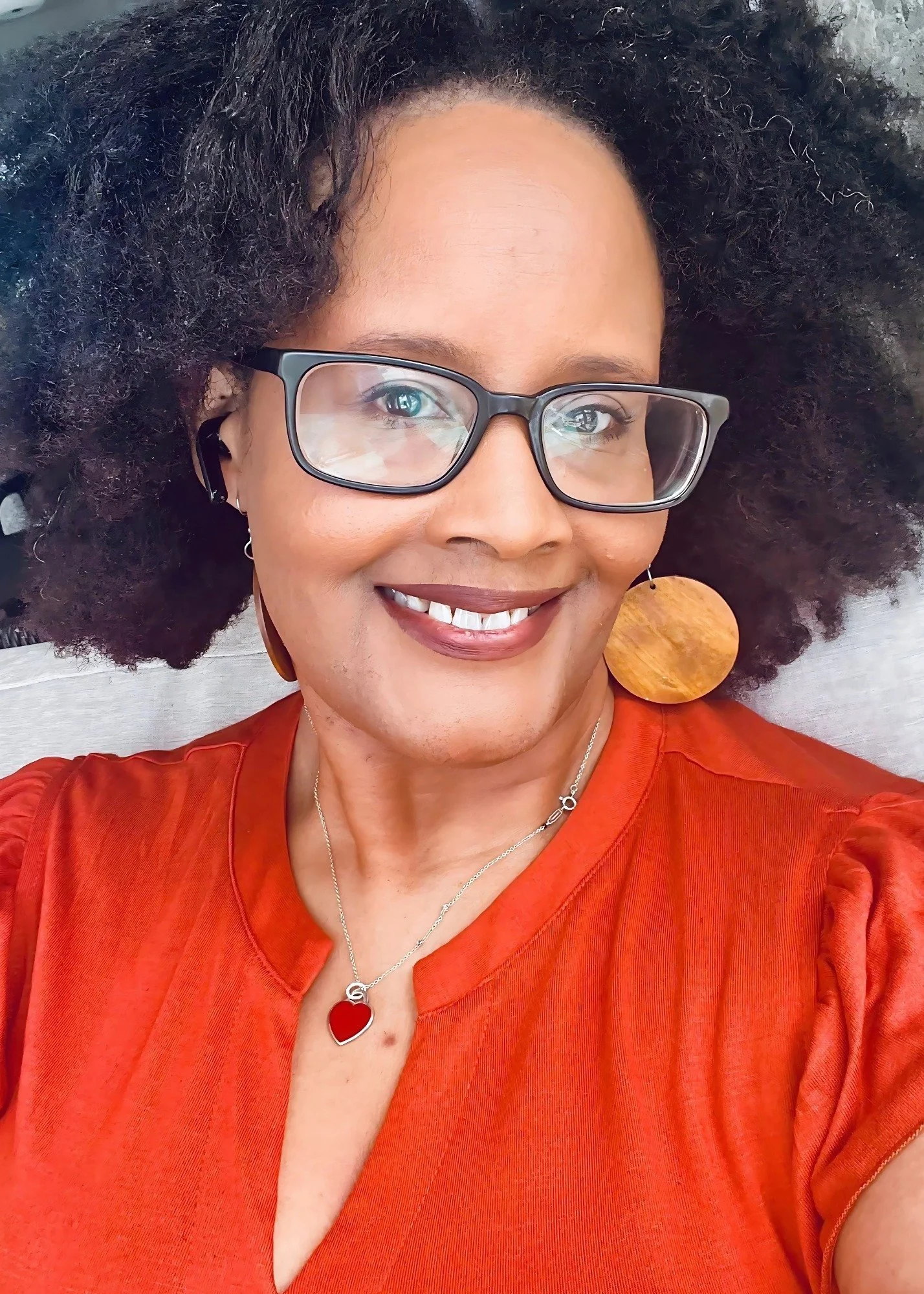
I wanted Amazon to have less impact on my life and wallet. I wanted to survive if the Big A ever imploded. Nothing scares me more than being exclusive with all my books there and nobody shopping there.
I was listening to indie fantasy author Katie Cross. Her goal is to build KCB—Katie Cross Books—and win readers over from Amazon. She never checked her Amazon rank or sales. She concentrated on building direct readership and connections. That became my goal too.
I make it a point to never link Amazon if I can help it. Amazon does not need our help directing people there. What needs help is authors selling direct and indie bookshops.
I wanted Amazon to have less impact on my life and wallet. I wanted to survive if the Big A ever imploded. Nothing scares me more than being exclusive with all my books there and nobody shopping there.
I’m big on selling direct because I like control. If I sell a book today, I get paid tomorrow. I can put it on sale or give it away in seconds. I wrote the book—I should have maximum control.
This strategy isn’t instant. It took 18 months before my wide/direct sales matched Amazon (now they exceed it). It takes training your audience to check your website and store. I want to sell based on me and my reputation, not Amazon’s algorithm.